 AnyTime News
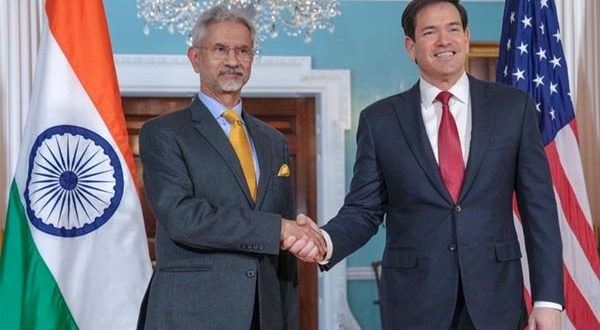
Anytime News Network. Framework aims to boost market access, strengthen supply chains, and expand digital and technology trade between the two giants.
In a major development for global commerce, India and the United States have agreed on the framework of an interim trade agreement, reaffirming their commitment to advancing a comprehensive Bilateral Trade Agreement (BTA). The move is being seen as a strategic milestone that could reshape economic engagement between the world’s largest and fastest-growing major economies.
Under the proposed framework, India will reduce or eliminate tariffs on a wide range of American industrial goods and agricultural products, including animal feed, nuts, fruits, soybean oil, and alcoholic beverages. The decision is expected to open India’s vast consumer market further to US exporters while intensifying competition for domestic producers.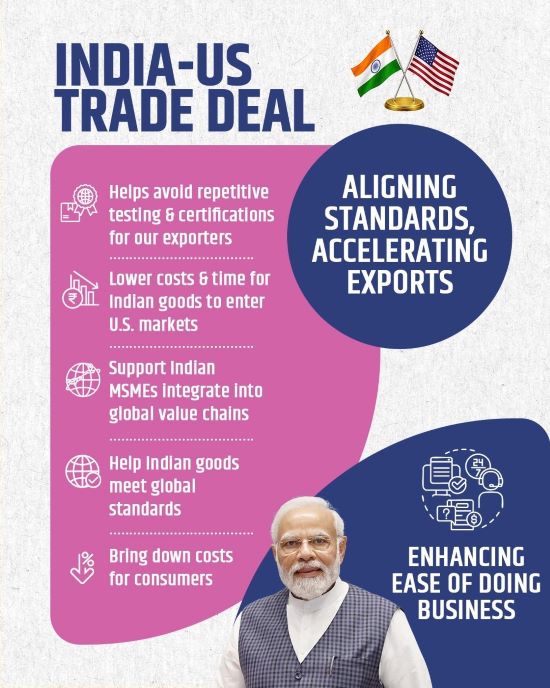
On the other hand, the United States will impose an 18% reciprocal tariff on several India-made goods such as textiles, leather products, plastics, chemicals, handicrafts, and certain machinery. However, subject to the successful conclusion of the interim deal, tariffs may eventually be removed on key exports like generic pharmaceuticals, diamonds, and aircraft components—offering potential relief to Indian exporters.
Washington has also agreed to lift certain tariffs on Indian aircraft and parts previously introduced on national security grounds. Additionally, India is set to receive preferential tariff-rate quotas for automobile components, while both sides will negotiate solutions regarding pharmaceutical investigations.
A central pillar of the agreement involves addressing non-tariff barriers. India has indicated its willingness to ease long-standing restrictions affecting US medical devices, ICT products, and agricultural trade. Both nations will also collaborate on technical standards and conformity assessment procedures to streamline regulatory compliance.
One of the most significant announcements is India’s plan to purchase approximately $500 billion worth of American energy products, aircraft, precious metals, technology goods, and coking coal over the next five years. Experts believe this could enhance India’s energy security and accelerate technological modernization.
The two countries have further committed to eliminating discriminatory practices in digital trade and establishing robust, mutually beneficial rules in the sector. Strengthening supply chain resilience and promoting innovation also remain high priorities within the framework.
While economists view the agreement as a step toward deeper strategic alignment, some caution that increased imports could challenge certain domestic industries. The success of the final BTA will depend on how effectively both nations balance market access with economic safeguards.