 AnyTime News
Stronger Social Safety Nets, Fiscal Stimulus and Property Support Key to Boosting Domestic Demand
ANYTIME NEWS NETWORK. China, the world’s second-largest economy, is facing a crucial turning point in its growth strategy. In a recent analysis, the International Monetary Fund (IMF) has advised China to decisively pivot from an export-led growth model toward one driven by domestic consumption.
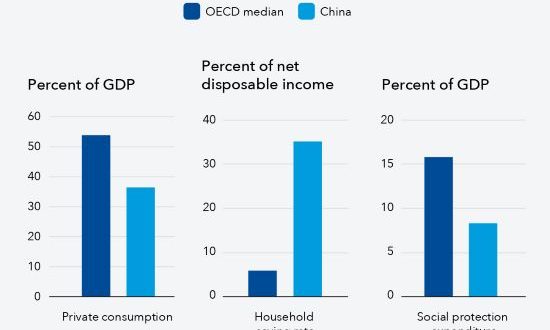
According to the IMF, China’s economy expanded by 5 percent in 2025 and is projected to grow by 4.5 percent in 2026. While these figures reflect resilience amid global uncertainties, underlying structural challenges remain. Domestic demand has been subdued, largely due to a prolonged property sector downturn and a relatively weak social safety net that encourages households to save rather than spend. This has contributed to deflationary pressures and rising dependence on external demand.
The IMF recommends a comprehensive macroeconomic policy package centered on stronger fiscal stimulus, supported by accommodative monetary policy and greater exchange rate flexibility. However, the composition of fiscal spending needs adjustment. The Fund suggests scaling back public investment and selective industrial subsidies while redirecting resources toward social protection programs such as healthcare, pensions, unemployment benefits, and social assistance. Strengthening these areas would enhance consumer confidence and reduce precautionary savings.
Reforming China’s “hukou” household registration system is another key recommendation. Currently, millions of rural migrant workers lack full access to urban social services. Granting urban status to approximately 200 million rural migrants could significantly lower saving rates and potentially raise the consumption-to-GDP ratio by an estimated 0.6 percentage points.
Additionally, restoring confidence in the property sector and supporting buyers of unfinished housing projects are seen as essential steps to stabilize household wealth and spending sentiment.
The IMF estimates that, taken together, these reforms could increase China’s consumption-to-GDP ratio by about 4 percentage points over five years. Given that China contributes roughly 30 percent to global economic growth, a successful transition toward a more balanced, consumption-led model would not only strengthen its domestic economy but also provide greater stability to the global economic landscape.