 AnyTime News
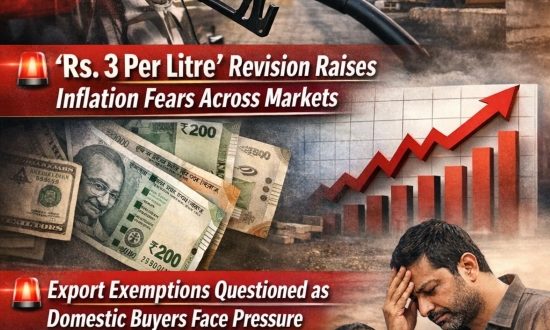
Rs. 3 Per Litre” Revision Raises Inflation Fears Across Markets
Export Exemptions Questioned as Domestic Buyers Face Pressure
Anytime News Network | Pooja Srivastava
The latest Central Excise notification issued by the government has triggered fresh concerns over its potential impact on consumers and the broader economy. Announced from New Delhi, the policy introduces revisions including a “Rs. 3 per litre” duty adjustment, raising fears of increased financial burden on the public.
While the government has justified the move as being in the “public interest,” critics argue that such changes could contribute to rising inflation, especially in sectors already under pressure. Analysts warn that even marginal increases in excise duties can have a cascading effect on prices of essential goods.
Although the notification also includes provisions where certain duties have been reduced to “Nil,” experts suggest that the relief may be limited and unevenly distributed. Questions are being raised over whether these reductions will actually benefit the end consumer.
A major point of contention is the exemption granted to goods meant for export. While exporters may gain a competitive advantage, domestic consumers could bear the brunt of the revised tax structure. This imbalance has led to criticism that the policy favors external trade over internal stability.
Economic observers caution that such policy shifts may lead to volatility in pricing and disrupt market equilibrium. Sectors dependent on fuel and logistics could see cost escalations, indirectly impacting everyday expenses for citizens.
As inflation concerns continue to loom large, the notification has intensified debate over the government’s fiscal approach and its real impact on the common man.
All eyes are now on how markets respond and whether corrective measures will be introduced to mitigate potential fallout.