 AnyTime News
450,000 Indians Evacuated, Yet Situation Remains Uncertain
Anytime News Network | Pooja Srivastava:
Amid escalating tensions in West Asia, the Indian government has stepped up its preparedness to safeguard energy supplies, maritime operations, and the safety of its citizens abroad. While officials claim there is no shortage of fuel, reports of panic buying in several regions have raised serious concerns about ground-level stability.
With disruptions around the Strait of Hormuz posing potential risks, refineries across India are operating at full capacity to maintain adequate reserves of petrol, diesel, and LPG. The government has also increased domestic LPG production and prioritized supply for vulnerable sections, including migrant workers. Notably, over 37,000 small LPG cylinders were sold in a single day, reflecting rising demand pressure.
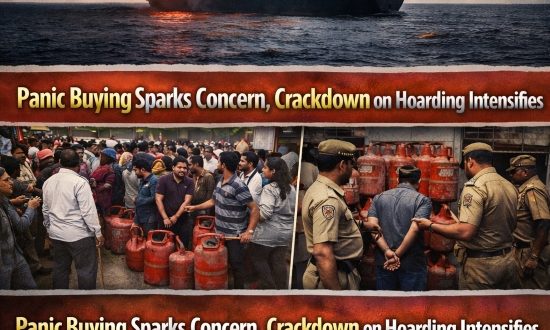
Authorities have directed states to take strict action against hoarding and black marketing. More than 2,600 raids have been conducted nationwide, leading to over 680 FIRs and multiple arrests. However, questions remain about whether enforcement measures are sufficient to curb market anxiety.
In the maritime domain, the government is closely monitoring shipping routes. Around 20 Indian-flagged vessels with 540 seafarers are currently in sensitive zones, with round-the-clock surveillance in place. So far, over 674 Indian seafarers have been safely repatriated.
Air travel disruptions persist in parts of the region, although evacuation efforts have brought back approximately 450,000 Indians since late February. Despite these efforts, uncertainties continue due to partial airspace closures in several countries.
The government has urged citizens to avoid panic buying and rely only on verified information. It is also promoting alternative energy sources like PNG and electric cooking solutions to reduce pressure on LPG demand.