 AnyTime News
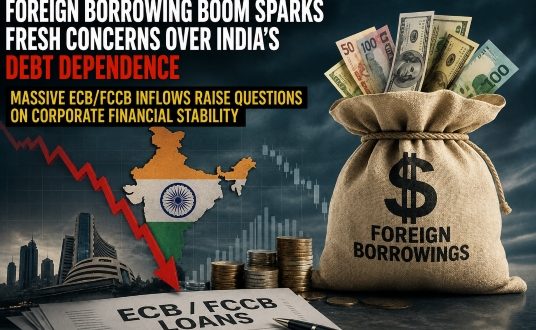
Foreign Borrowing Boom Sparks Fresh Concerns Over India’s Debt Dependence
Pooja Srivastava | Anytime News Network
The latest External Commercial Borrowing (ECB) and Foreign Currency Convertible Bond (FCCB) data released for March 2026 has triggered concerns over the growing dependence of Indian companies on foreign debt. Financial analysts warn that the sharp rise in overseas borrowing may expose the economy to future financial instability, especially if global interest rates rise or the rupee weakens further.
The RBI data shows that dozens of Indian corporations, NBFCs, infrastructure firms and financial institutions secured massive foreign loans worth billions of dollars. Major borrowers included Bajaj Finance, IIFL Finance, Aditya Birla Capital, REC, NABARD and several manufacturing and infrastructure companies. Critics argue that instead of strengthening domestic capital generation, Indian firms are increasingly relying on foreign lenders to sustain operations and expansion.
A significant portion of these borrowings has reportedly been used for refinancing existing loans, working capital needs and sub-lending activities rather than direct productive investments. Economists believe this indicates liquidity stress within several sectors of the economy. Concerns are also being raised over the long-term exposure of Indian firms to foreign currency fluctuations and external financial shocks.
Several borrowings were routed through IFSC-linked financial institutions and foreign equity holders, intensifying fears about rising foreign influence in key sectors of the Indian economy. Opposition voices claim that while the government promotes the narrative of “self-reliance,” corporate India appears more dependent than ever on overseas financing channels.
Experts caution that if export growth slows or repayment conditions tighten globally, companies with heavy foreign debt exposure could face serious repayment pressure. The rising debt burden may eventually impact jobs, investment sentiment and banking sector stability.
The developments have reignited debate over whether India’s current growth story is being sustained through genuine economic strength or through aggressive foreign borrowing strategies that may create long-term vulnerabilities.