 AnyTime News
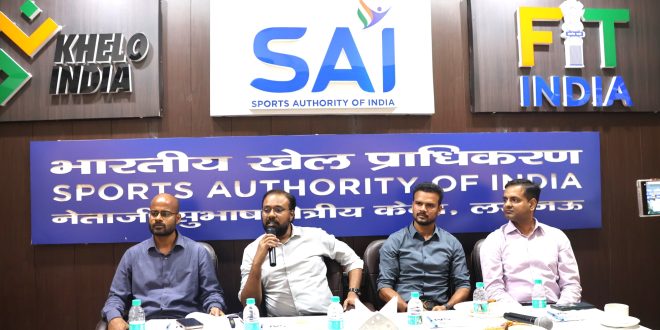
From the classroom and playground to the Olympic arena, the focus is on building a fitter generation and taking India into the world’s Top 10 sporting nations
Sports officials and Arjuna Award-winning hockey player Lalit Upadhyay underline the importance of a strong sporting culture
By Pooja Srivastava | Anytime News Network
Sports in India are steadily moving beyond the traditional perception of being an optional extracurricular activity. With the National Education Policy 2020 giving greater importance to sports as part of holistic education, the role of physical activity in the lives of children is becoming increasingly significant.
The message emerging from India’s changing education and sporting landscape is simple: in today’s world, playing is no longer merely a matter of choice or entertainment. For children growing up amid increasing screen time and sedentary lifestyles, physical activity has become an essential requirement for staying fit, healthy and mentally active.
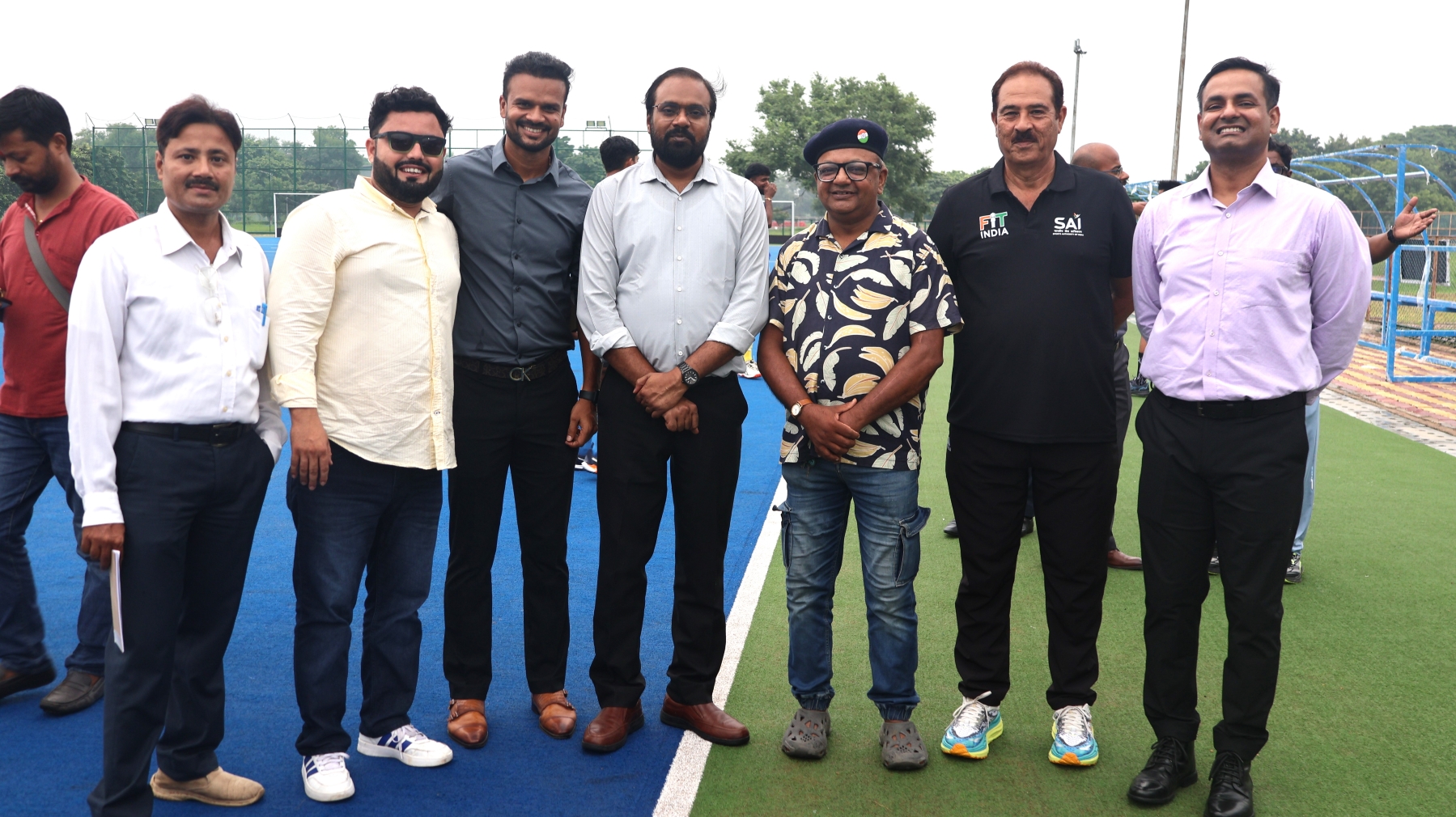
The programme was attended by Atma Prakash, Regional Director of the Sports Authority of India, Lieutenant Colonel Gaurav Singh, Director, Assistant Director Manish Kumar, Arjuna Award-winning Indian hockey player Lalit Upadhyay, along with other distinguished guests.
The presence of senior sports administrators and an accomplished international athlete highlighted the larger message that India must build a strong sporting culture at every level if it wants to emerge as a major global sporting power.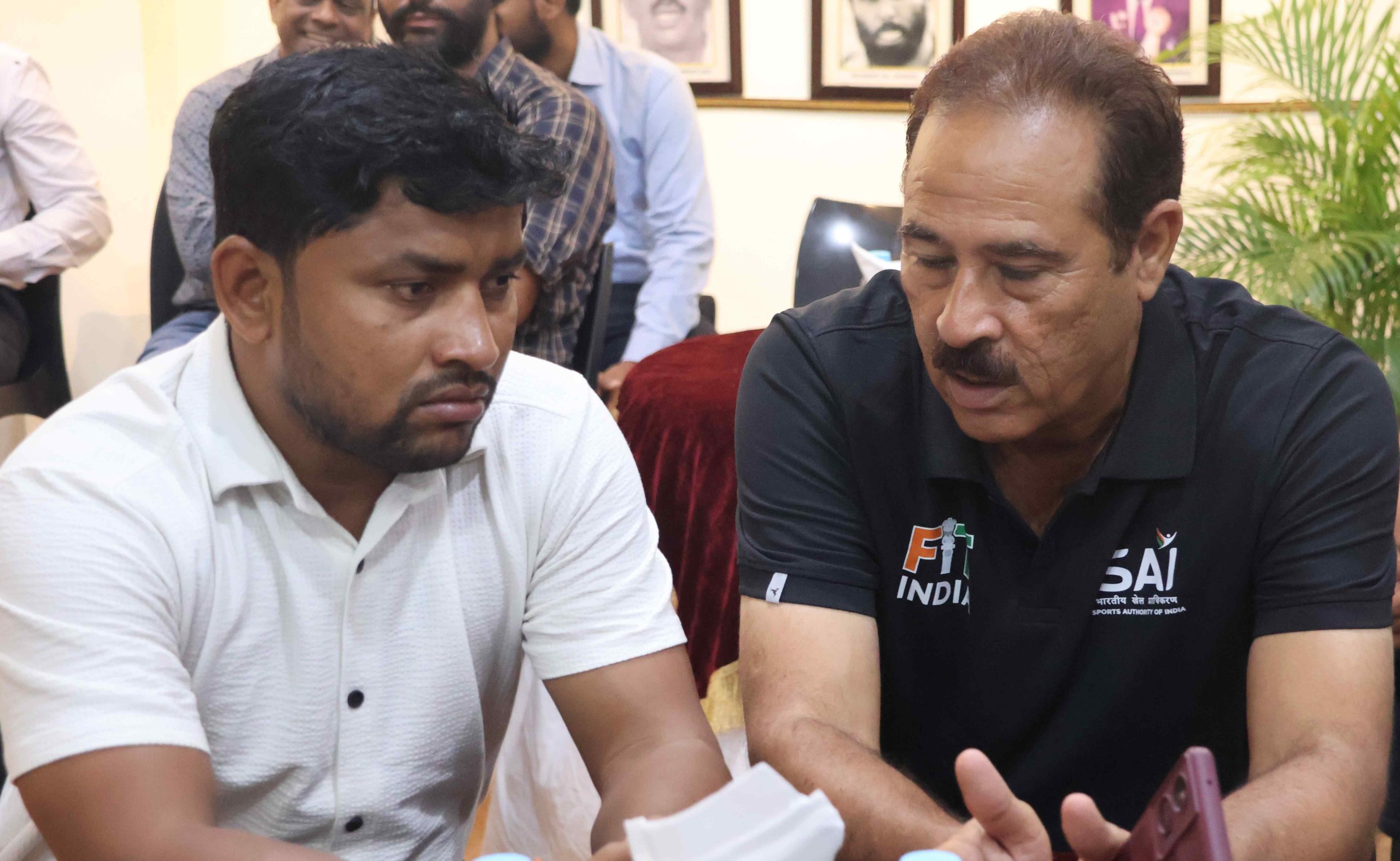
NEP 2020 Gives Sports a Stronger Place in Education
The National Education Policy 2020 recognises that education cannot be confined to textbooks, examinations and classrooms alone. The overall development of a child also requires physical fitness, mental strength, teamwork, discipline and confidence.
Sports play an important role in developing these qualities. A child learns how to compete, how to accept defeat, how to work with a team and how to remain focused under pressure. These lessons are valuable not only for athletes but for life itself.
In the present age, parents and schools are also facing the growing challenge of excessive screen exposure among children. Mobile phones, computers and digital entertainment are increasingly reducing physical activity. In such circumstances, playgrounds can become powerful spaces where children rediscover movement, teamwork and healthy competition.
2036 Olympics: A Major Opportunity for India
India is also looking ahead to the ambitious goal of hosting the 2036 Olympic Games. The country’s Olympic aspirations represent more than the desire to organise one of the world’s biggest sporting events.
Hosting the Olympics would require a strong sporting ecosystem, modern infrastructure, capable institutions, quality coaching and a deep pool of talented athletes. The preparation, therefore, must go far beyond stadium construction.
The larger ambition should be to ensure that India is not remembered merely as a host nation. The country must also strengthen its competitive performance and move towards becoming one of the Top 10 sporting nations in the world.
That is a challenging target, but India possesses one of the world’s largest youth populations. The real task is to identify sporting talent early and provide young athletes with proper training, nutrition, coaching and opportunities.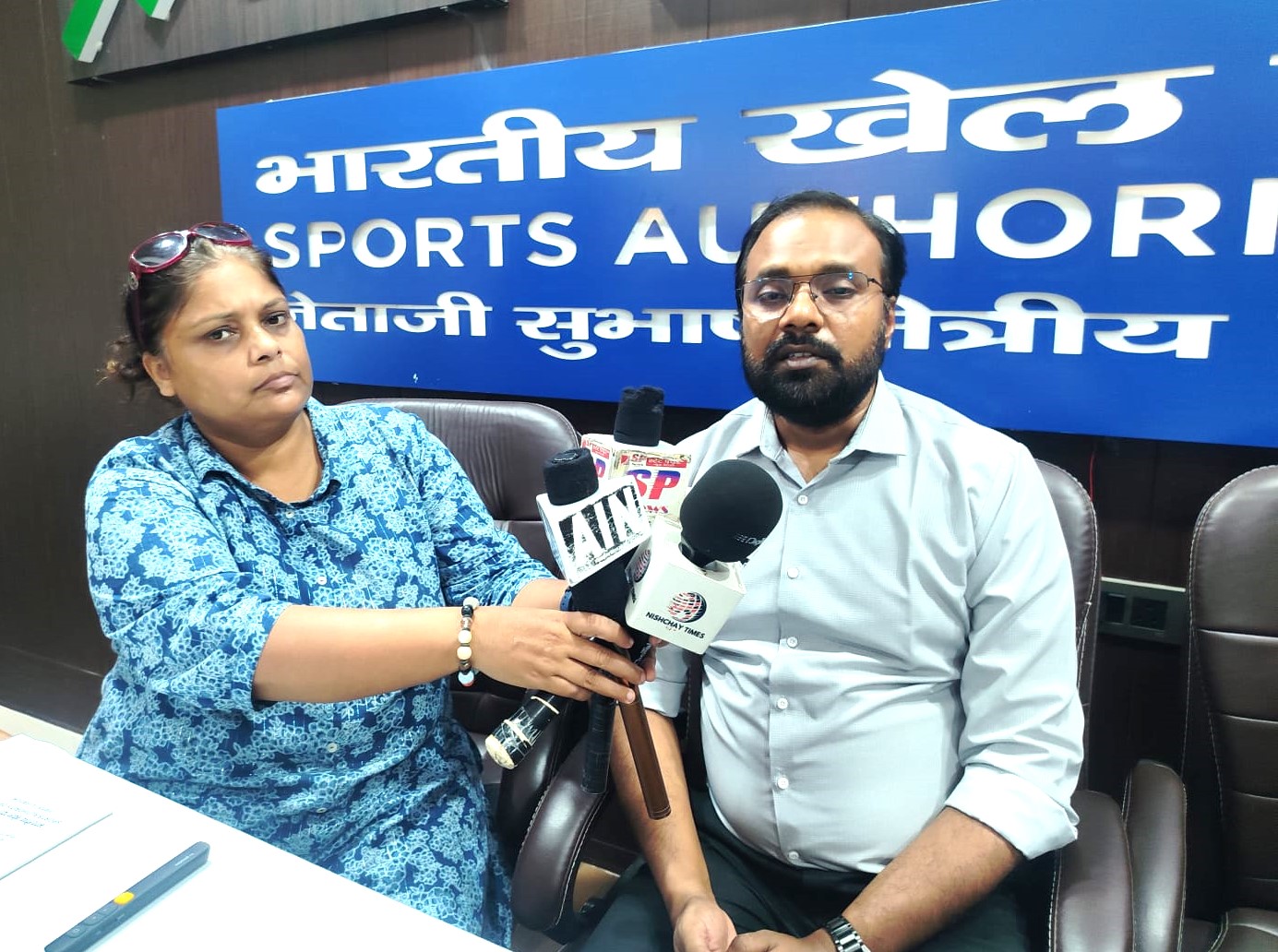
The Road to Olympic Success Begins at School
Every Olympic champion begins somewhere. For many athletes, the journey starts not inside a world-class stadium but on a school playground or a local field.
If India wants to build a powerful Olympic future, grassroots sports must receive serious attention. Schools need better sporting facilities, trained coaches and regular competitions. Young athletes must be encouraged to pursue sports without treating academic education and physical activity as opposing choices.
India’s villages and small towns are full of untapped sporting potential. Many talented children never reach professional platforms simply because they lack access to infrastructure and guidance.
A strong national sports strategy must ensure that talent does not disappear because of geography or lack of opportunity.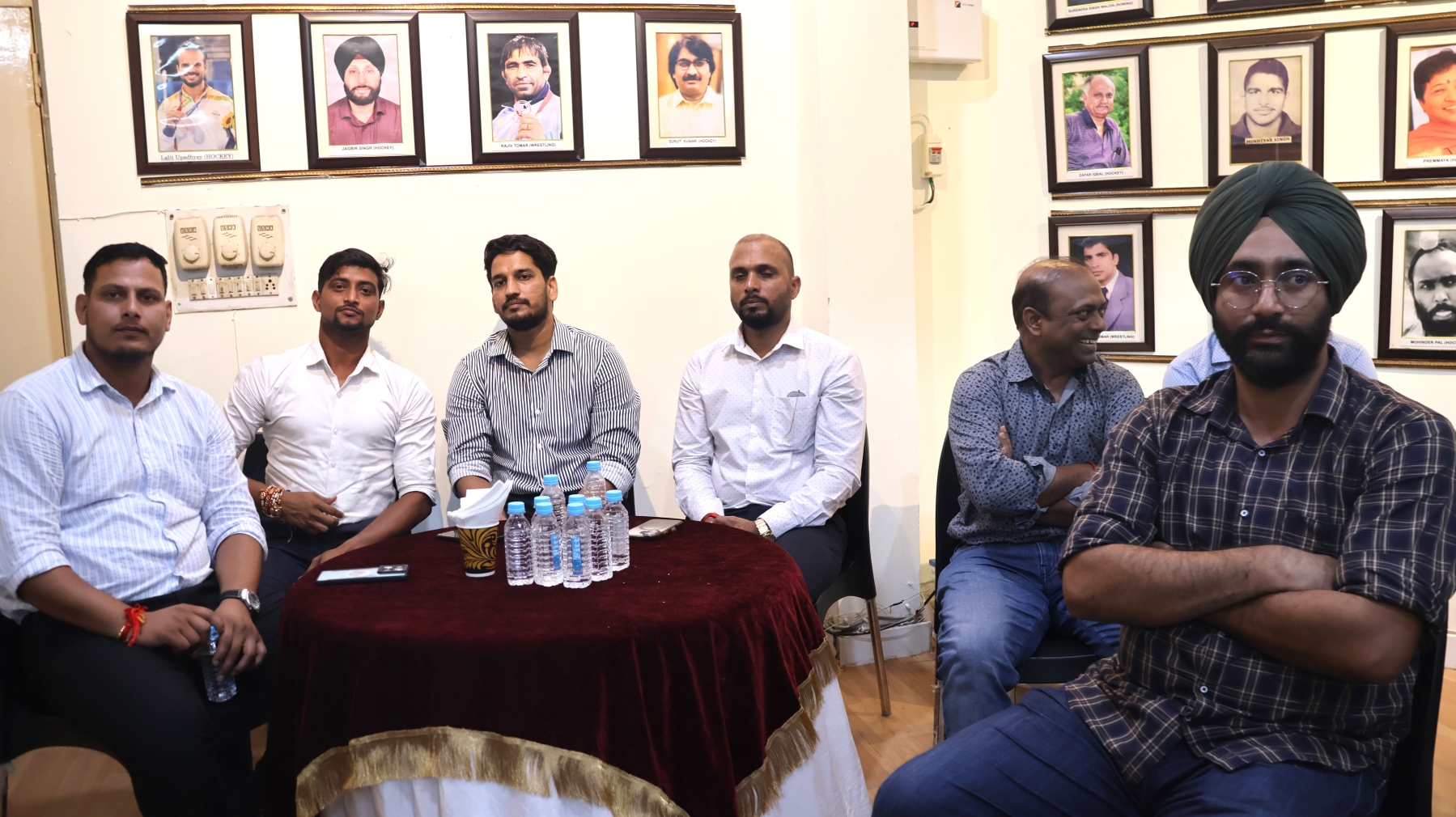
Lalit Upadhyay: An Inspiration for Young Athletes
The presence of Arjuna Award-winning hockey player Lalit Upadhyay carries a powerful message for young sportspersons. Successful athletes demonstrate that talent alone is not enough.
International success demands discipline, determination, consistent training and the courage to overcome setbacks. Behind every medal lies years of hard work and sacrifice.
Young athletes can draw inspiration from such sporting journeys and understand that excellence is built gradually through commitment.
A Healthy Nation Is Also a Strong Sporting Nation
Promoting sports is not only about winning Olympic medals. A society that encourages physical activity can also become healthier, more confident and more disciplined.
India’s sporting mission, therefore, has a double purpose: to build a healthier generation and to create athletes capable of competing with the best in the world.
The dream of 2036 should not remain limited to hosting the Olympics. It should become a turning point in India’s sporting history.
News Board
NEP 2020 has given sports a stronger place in the education ecosystem, but the real challenge lies in implementation. India must strengthen playgrounds, coaching systems, grassroots competitions and athlete support. If the country begins building its sporting foundation seriously from schools and local communities, the journey towards hosting the 2036 Olympics—and entering the world’s Top 10 sporting nations—can gain real momentum.