 AnyTime News
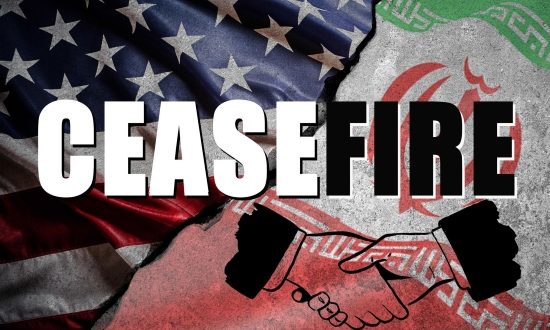
Talks Collapse Before Restart: Iran’s Silence Forces Delay in Peace Negotiations, Cease-Fire Hangs in Uncertainty
Anytime News Network | Pooja Srivastava
. In a move that underscores deepening uncertainty in global diplomacy, U.S. President Donald Trump has extended the two-week cease-fire with Iran just hours before its scheduled expiry. The decision comes at a time when already fragile peace negotiations have stalled, raising serious concerns about the future of the truce.
The cease-fire extension was announced after planned second-round negotiations in Islamabad were abruptly put on hold. U.S. Vice President JD Vance was expected to lead the talks, but the visit was cancelled due to what officials described as Tehran’s failure to respond to key American proposals. This development has further widened the trust deficit between the two sides.
Initial reactions from Iran have been openly dismissive. Mahdi Mohammadi, an adviser to Iran’s parliamentary leadership, publicly rejected the extension, stating that it holds “no meaning.” This sharp response reflects internal divisions within Iran’s political establishment and signals a lack of consensus on how to proceed with negotiations.
Adding to the uncertainty, Tehran has not officially confirmed whether its representatives will participate in future discussions. The first round of talks, held just over a week ago, ended without any concrete outcome, exposing the widening gap between the two nations’ expectations.
President Trump, in his public remarks, hinted at internal fractures within the Iranian leadership, suggesting that a lack of unified direction is delaying progress. He stated that the cease-fire would remain in place only until Iran presents a cohesive proposal, after which discussions would move toward a definitive conclusion—either diplomatic resolution or renewed escalation.
Analysts warn that the situation remains highly volatile. While the extension prevents immediate conflict, the absence of active dialogue and mutual trust could quickly reverse any temporary calm. The breakdown in communication channels and Iran’s reluctance to engage raise fears that the cease-fire may merely be delaying an inevitable confrontation.
The geopolitical implications are significant, with global markets, regional stability, and international alliances closely watching developments. As tensions simmer beneath the surface, the extended cease-fire appears less like a step toward peace and more like a pause in an increasingly uncertain conflict.