 AnyTime News
Promises on Paper, Results on the Farm
Pooja Srivastava |
Anytime News Network
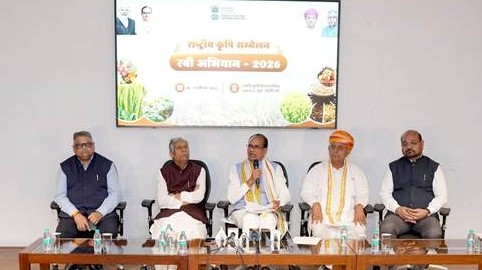
New Delhi. The government has outlined an extensive preparedness plan for the 2026-27 Rabi season, highlighting fertilizer stocks, MSP protection, disaster relief and measures to reduce farm input costs. Yet the real test will not be the scale of announcements but whether these measures translate into timely relief for farmers on the ground.
Weather Adds Pressure
According to the Agriculture Ministry, monsoon rainfall has remained 12 per cent below normal. Preliminary information also indicates crop damage across around 611,000 hectares in Karnataka, Maharashtra, Tamil Nadu, Telangana, Andhra Pradesh, Rajasthan and Gujarat because of heavy rainfall, floods or drought.
Fertilizer Availability Under Watch
The government says more than 16.3 million tonnes of fertilizer are currently available against a combined state demand of 38 million tonnes for the Rabi season. While the Centre has ruled out a shortage, timely distribution remains a critical operational challenge, particularly in regions facing local supply concerns.
A High Production Target
The national foodgrain target for 2026-27 has been set at 373.93 million tonnes, including a Rabi target of 177.72 million tonnes. The target comes amid concerns over rainfall patterns, input costs and regional crop damage, making implementation a key factor in determining the eventual outcome.
MSP Faces the Ground Test
The Centre has said that NAFED and NCCF will directly procure pulses and oilseeds if market prices fall below MSP. The effectiveness of this mechanism will depend on how quickly procurement begins and whether farmers can access the system before being forced to sell at lower prices.
Cost Reduction Challenge
A pilot project reportedly reduced fertilizer consumption by 27 per cent and generated savings of more than ₹1,400 crore. The government now plans a nationwide ‘Khet Bachao Abhiyan’ from October 22 to November 30, involving agricultural scientists, KVK experts and government officials.
Implementation Will Matter
The government has also highlighted Farmer IDs, AgriStack, Kisan Credit Cards, crop insurance and disaster assistance. But the central question remains implementation: how quickly and consistently will these measures reach farmers facing weather risks, market pressures and rising input concerns?
The Rabi campaign therefore moves into a phase where policy commitments will increasingly be judged by measurable outcomes in fields, markets and farm households.