 AnyTime News
Special Investigative Desk Report
Pooja Srivastava,
Any Time News Network
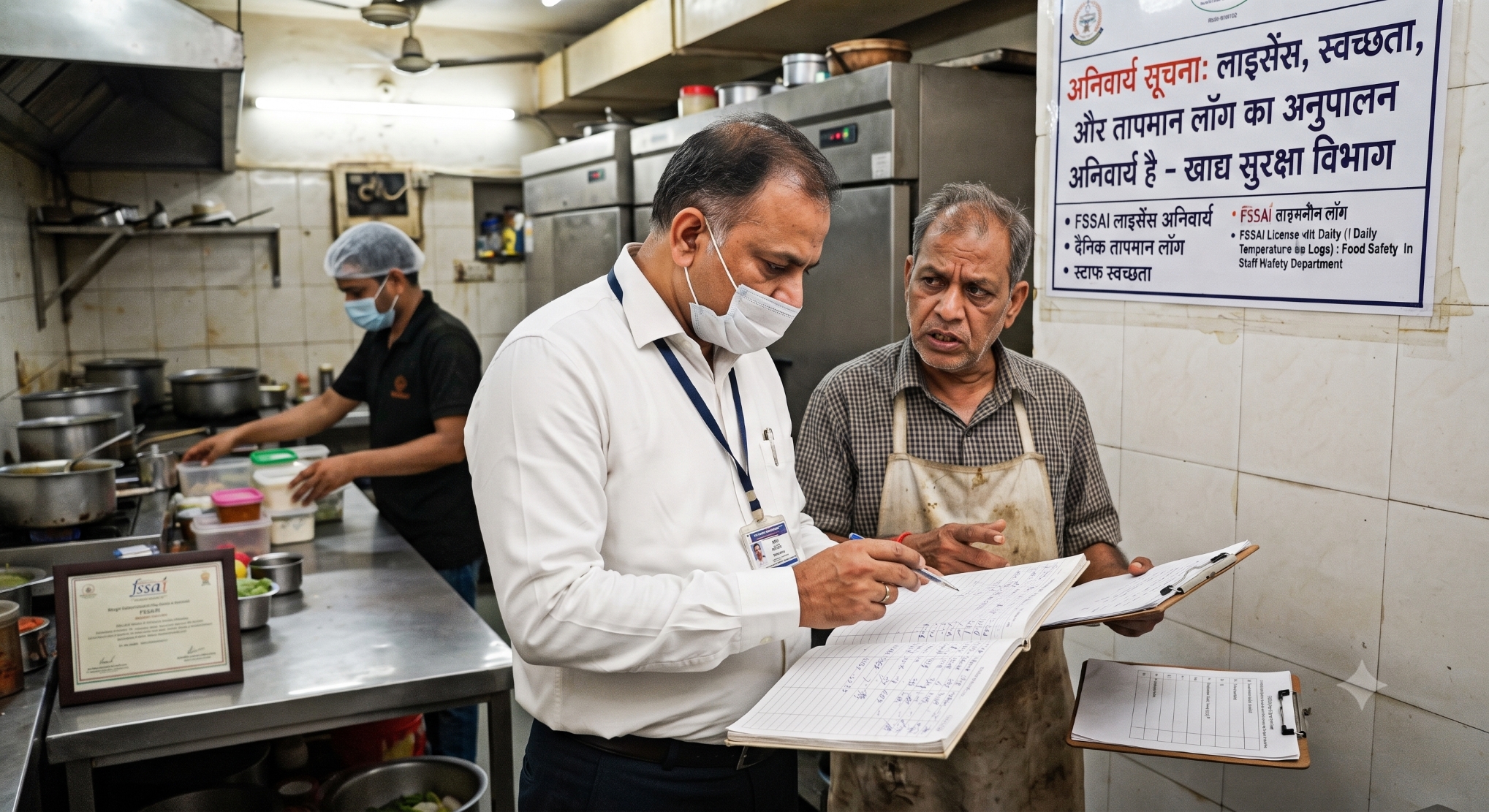
In a stern move addressing systemic vulnerabilities in public health, the Food Safety and Drug Administration Department of Uttar Pradesh has rolled out rigorous compliance guidelines for all food business operators. The sweeping directives expose the grim reality of widespread regulatory neglect plaguing commercial kitchens, restaurants, and food establishments across the state, where basic hygiene and temperature protocols have long been compromised at the cost of consumer safety.
Mandatory Licensing and Visibility Deficits
Under the new framework, establishments must prominently display valid FSSAI licenses, registrations, and Food Safety Display Boards, alongside the ‘Food Safety Connect App’ QR code for consumer grievances. This mandate brings to light the previous lack of transparency and accountability that allowed numerous unregulated entities to operate in the shadows, putting public well-being in jeopardy.
Strict Temperature Controls and Cross-Contamination Risks
The guidelines dictate strict thermal management: frozen foods must be stored at or below minus 18 degree Celsius, chilled items below 5 degree Celsius, and leftover cooked food must be reheated to 74 degree Celsius. The stringent focus on these parameters underscores the historical prevalence of unsafe storage, improper handling of raw and cooked goods, and hazardous temperature abuses that have routinely triggered food safety hazards.
Zero Tolerance on Dangerous Operational Lapses
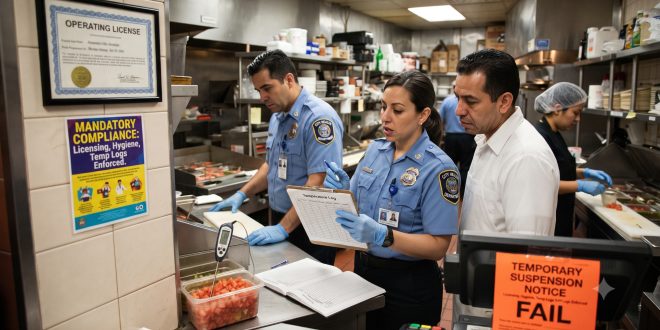
The department has declared a zero-tolerance policy against critical violations, including the use of expired raw materials, pest infestations, blocked drainage, and unhygienic waste accumulation. While these stringent protocols mark a necessary step toward accountability, the ultimate test lies in unyielding enforcement to dismantle the entrenched culture of negligence among commercial food handlers.