 AnyTime News
World-Class Connectivity Seen as Key to Trillion-Dollar Economy Goal
Pooja Srivastava | Anytime News Network
Uttar Pradesh is seeking to accelerate the implementation of major linear infrastructure projects by strengthening advance planning, inter-departmental coordination and real-time resolution of construction bottlenecks.
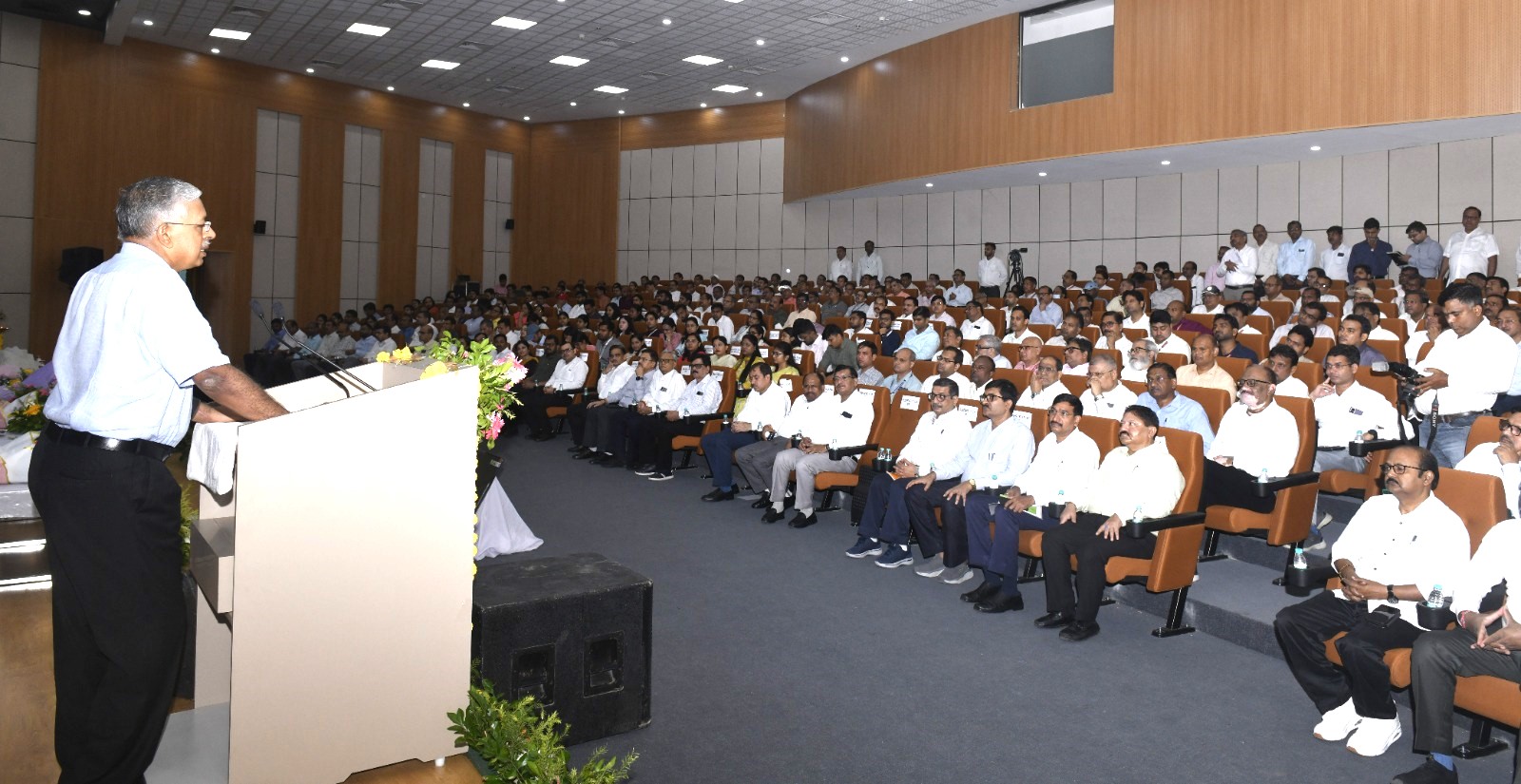
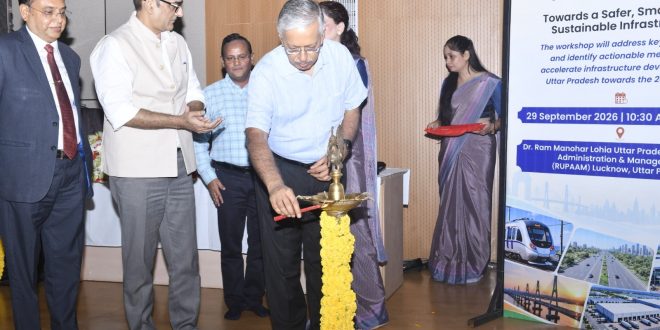
Chief Secretary S.P. Goyal inaugurated a one-day state-level workshop on ‘Accelerating Linear Infrastructure Projects: Good Practices and New Ideas’ at the Ram Manohar Lohia Uttar Pradesh Academy of Administration and Management (RUPAM), Ahimamau.
Beyond Progress Percentages
Addressing the workshop, the Chief Secretary said infrastructure delivery should not be assessed only through overall physical progress or completion percentages. The focus, he said, should also remain on identifying obstacles affecting construction and resolving them within defined timelines.
He stressed that land availability, design preparedness, utility shifting and statutory clearances should be addressed adequately before construction begins.
Monitor Every Construction Front
The workshop emphasized dividing large corridors and projects into manageable construction packages to enable closer monitoring.
Project monitoring, according to the approach outlined at the workshop, should extend to individual construction activities so that officials can identify the exact location and status of work and detect bottlenecks involving land, bridges, culverts, encroachments, utilities or environmental clearances.
Coordination Becomes Critical
Linear infrastructure projects involve multiple agencies, including PWD, NHAI, Railways, electricity departments, Jal Nigam, telecommunications, revenue, forest, police and urban local bodies.
To reduce delays arising from coordination gaps, Goyal called for an effective interface management system recording the concerned agency, responsible officer, location, deadline and current status for every issue.
Infrastructure for 2047
The Chief Secretary said Uttar Pradesh’s objective should not merely be to add kilometres of roads or railway lines. The larger goal should be seamless connectivity between industrial clusters, cities, markets, logistics hubs, airports and railway networks.
Such connectivity, he said, can create a stronger foundation for investment, employment and regional development.
Participants were urged to identify potential obstacles in advance rather than waiting for problems to emerge. Better preparation, timely coordination and proactive resolution were highlighted alongside quality, safety, risk management and contract management.
Principal Secretary, Public Works Ajay Chauhan, RUPAM Director Sanjay Kumar, Secretary Divya Prakash Giri and other senior officials attended the workshop.