 AnyTime News
Political Optics Over Real Empowerment? Mayawati Questions Intent Behind Reservation Move
Pooja Srivastava | Anytime News Network
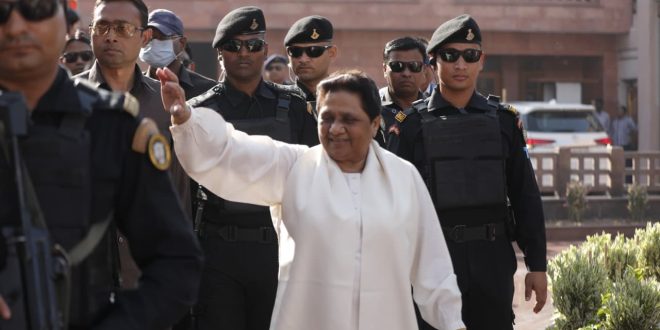
Amid intensifying political debate over women’s reservation, Bahujan Samaj Party chief Mayawati has raised serious concerns over the current framework of the proposed 33% quota for women in Parliament and state assemblies.
While acknowledging the move as “better late than never,” Mayawati criticized the policy as incomplete and potentially unjust, arguing that it fails to address the needs of marginalized communities. She emphasized that women from Scheduled Castes (SC), Scheduled Tribes (ST), and Other Backward Classes (OBC) are the real stakeholders who risk being sidelined without a separate sub-quota.
According to her, the absence of dedicated provisions for these groups could dilute the very objective of the reservation policy, leaving socially and economically disadvantaged women underrepresented despite the headline reform.
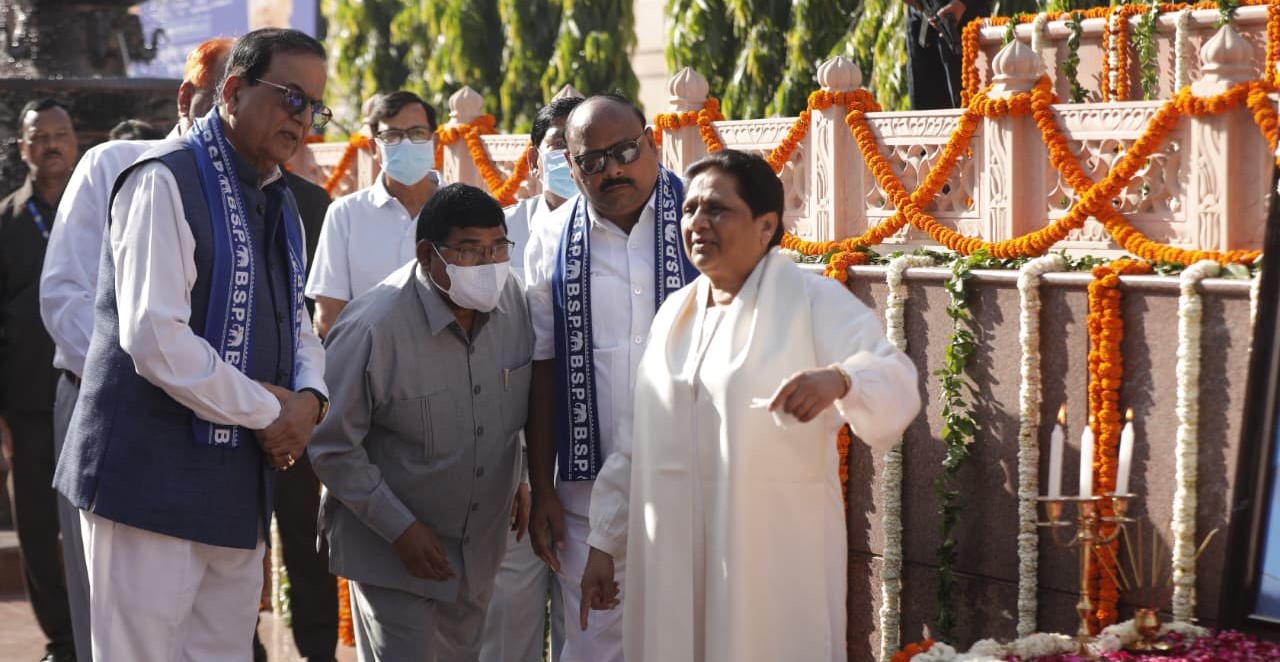
Mayawati also accused political parties of using women’s empowerment as a tool for electoral gain rather than pursuing genuine structural reforms. She pointed out that incidents of violence, exploitation, and inequality faced by women continue unabated, highlighting a gap between policy announcements and ground realities.
Referring to B. R. Ambedkar, she noted that while constitutional provisions ensured equality, successive governments have failed to fully implement that vision. She also recalled the dilution of the Hindu Code Bill as an example of missed opportunities in advancing women’s rights.
The BSP leader did not spare other political parties, including Congress, accusing them of hypocrisy for raising the issue of sub-quotas now, despite ignoring similar demands during their tenure in power.
She further argued that limiting women’s reservation to 33% reflects a lack of political will, reiterating her party’s long-standing demand for 50% reservation based on population share.
In conclusion, Mayawati warned that unless the policy incorporates social justice principles, it risks becoming a symbolic gesture rather than a transformative reform. The debate has once again exposed deep fault lines in India’s approach to representation and equity.