 AnyTime News
Identity Politics Overshadows Governance as Fragmented Opposition Hands Edge to BJP
Anytime News Network
By Pooja Srivastava
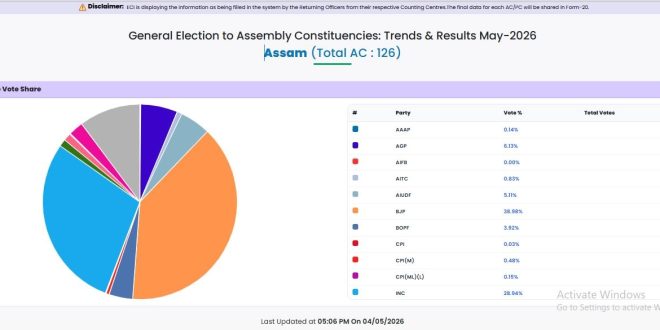
The election outcome in Assam once again highlights the growing influence of polarization and fragmented opposition in shaping political results. The Bharatiya Janata Party has secured a commanding position with 82 seats, while the Indian National Congress lags far behind with just 19.
A key factor behind this outcome appears to be the division of votes among opposition parties, including the All India United Democratic Front and other regional players. The fragmented vote base significantly reduced the opposition’s chances, indirectly strengthening the BJP’s electoral position. A more unified opposition could have potentially altered several constituency-level outcomes.
The campaign narrative also saw a strong emphasis on sensitive issues such as religious identity and illegal immigration. These themes contributed to a polarized electoral environment, raising concerns about whether governance and development took a backseat to identity-driven politics.
Allies like the Asom Gana Parishad and Bodoland People’s Front further reinforced the BJP’s position, while smaller parties remained largely ineffective in influencing the broader outcome.
The results underscore a deeper issue within the opposition—lack of coordination, weak narrative-building, and failure to present a united front. This fragmentation not only diluted their vote share but also made the electoral contest less competitive in several constituencies.
Ultimately, Assam’s election results reflect a concerning trend in modern politics: where identity-based narratives and strategic vote division can outweigh policy debates, leaving voters with a limited and polarized choice.