 AnyTime News
Energy Shock, Inflation Surge, Financial Turmoil—World Faces Renewed Crisis Risk
Pooja Srivastava | Anytime News Network
The global economy is once again staring at a looming crisis as escalating conflict in the Middle East disrupts fragile growth momentum. Insights drawn from the latest outlook of the International Monetary Fund suggest that the war has abruptly altered economic projections, raising serious concerns about stability in 2026.
Earlier forecasts had projected global growth at 3.4%, but the ongoing conflict has already forced a downward revision to 3.1%. In more adverse scenarios, growth could plunge to 2.5% or even 2%, signaling a dangerous slide toward a potential global slowdown or recession.
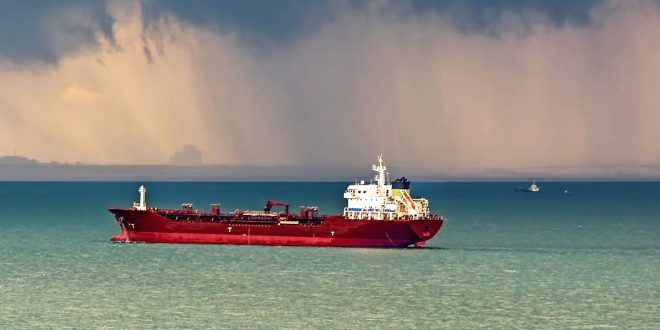
At the heart of the crisis lies the energy supply disruption. The threat of prolonged closure of the Strait of Hormuz—a critical artery for global oil shipments—has intensified fears of a severe energy crunch. Any sustained disruption could send shockwaves across industries worldwide, sharply increasing production costs and breaking supply chains.
Rising energy prices are expected to act as a classic negative supply shock, pushing inflation higher while simultaneously weakening economic activity. This dual impact creates a difficult environment for policymakers, as consumers face declining purchasing power and businesses struggle with rising input costs.
Compounding the problem is the growing risk of a wage-price spiral, where workers demand higher wages to offset inflation, further fueling price increases. Such dynamics could make inflation more persistent and harder to control, especially in economies where inflation expectations are not well anchored.
Financial markets are also vulnerable to sudden shocks. Heightened geopolitical risks may trigger sharp corrections in asset prices, rising risk premiums, capital outflows, and a stronger US dollar. These developments would tighten global financial conditions, further suppressing investment and consumption.
Emerging and low-income economies are likely to bear the brunt of this crisis. Countries dependent on energy imports face escalating costs, while those linked to the Middle East through labor exports may suffer from declining remittances. Even energy-exporting nations in the Gulf could experience setbacks due to infrastructure damage, production disruptions, and reduced economic activity.
Policy responses remain constrained. Central banks may be forced to prioritize inflation control over growth, potentially tightening monetary policy despite weakening economic conditions. Meanwhile, governments with already stretched fiscal positions have limited room to provide broad-based support.
Experts warn that while the 2022 crisis triggered by the Russia-Ukraine conflict was managed without a global recession, the current situation may prove more challenging. Structural vulnerabilities, persistent inflation concerns, and geopolitical fragmentation increase the risk of deeper and longer-lasting economic damage.
Unless the conflict de-escalates quickly, the world could be heading into another prolonged phase of economic instability, marked by slower growth, higher inflation, and fragile financial systems.