 AnyTime News
Inflation Pressures and Debt Concerns Intensify, Financial System Faces Growing Vulnerabilities
Anytime News Network |– By Pooja Srivastava
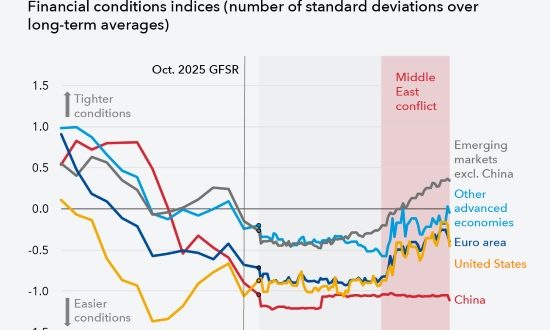
Global financial markets entered 2026 on a strong footing, supported by rising asset prices, low volatility, and relatively easy financial conditions. However, the outbreak of war in the Middle East has challenged this stability, introducing new uncertainties into the global economic landscape. Despite the shock, markets have so far shown notable resilience, absorbing the impact without severe disruptions.
Experts caution, however, that this resilience should not be misinterpreted as a sign of complete stability. Instead, it reflects temporary factors such as fluctuating geopolitical tensions and structural improvements made in the financial system over recent years. A significant escalation in the conflict could still trigger sharp market corrections.
Following the outbreak of hostilities, global markets reacted swiftly. Equity prices declined, sovereign bond yields increased, and volatility rose across asset classes. The primary drivers behind these movements were higher energy prices and renewed concerns over inflation. Importantly, there have been no signs of major liquidity stress or funding disruptions so far, indicating that core financial systems remain functional.
Inflation has emerged as the main transmission channel of the conflict’s economic impact. Rising energy costs have pushed inflation expectations higher, creating a complex environment for central banks. Policymakers now face the dual challenge of controlling inflation while supporting economic growth, which may weaken if the conflict persists.
Public debt has also come into sharper focus. Many advanced economies entered this period with already elevated debt levels, limiting their fiscal flexibility. Meanwhile, emerging markets remain particularly vulnerable to shifts in global risk sentiment, especially those heavily reliant on external financing.
Analysts highlight that the real risks lie not in the initial shock but in potential amplification mechanisms. High leverage in nonbank financial institutions, concentrated equity markets, and tight credit spreads could amplify volatility, leading to sudden sell-offs and liquidity stress under adverse conditions.
Policy responses remain constrained but varied. While monetary policy is limited by inflation pressures and fiscal policy by high debt levels, financial stability tools—such as regulatory measures, stress testing, and liquidity backstops—offer some room for intervention.
Experts emphasize that the priority for policymakers should be preparedness rather than prediction. Although markets remain stable for now, underlying vulnerabilities persist. In an environment marked by geopolitical tensions and supply shocks, maintaining financial stability requires proactive measures and constant vigilance.