 AnyTime News
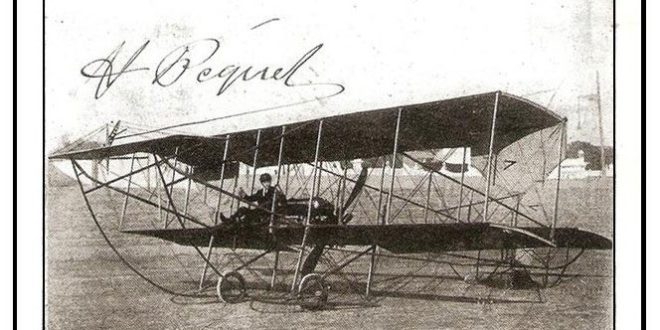
Historic Flight Took Off During Prayag Kumbh in 1911
ANYTIME NEWS NETWORK. The world’s first official airmail service has completed 115 remarkable years, marking a historic milestone in global communication. The pioneering flight took place on February 18, 1911, during the grand Prayag Kumbh in Allahabad (now Prayagraj), India.
Postmaster General Krishna Kumar Yadav said that this landmark event not only transformed India’s postal history but also laid the foundation for modern global air communication. On that historic evening, French pilot Henri Pequet carried 6,500 letters from Allahabad to Naini in a Humber-Sommer (often referred to as an early De Havilland-type aircraft in popular accounts), completing the journey in just 13 minutes.
6,500 Letters, 13 Minutes — A Defining Moment
The flight covered a distance of approximately six miles (around 10–15 kilometers). At 5:30 PM, the aircraft took off from the banks of the Yamuna River and landed safely near Naini Junction, close to the Central Jail on the outskirts of the city. Nearly one lakh spectators gathered to witness what was then an unimaginable spectacle — a flying machine carrying government mail across the skies.
The event coincided with the massive Prayag Kumbh Mela, adding spiritual grandeur to technological innovation. For many present, it was the first time they had ever seen an aircraft. The airplane had been imported by British officials for demonstration at the United Provinces Exhibition, a large agricultural and trade fair held along the riverbank. The aircraft’s parts were assembled publicly at the exhibition grounds, heightening curiosity and excitement.
According to Yadav, Colonel Wyndam proposed the idea of sending mailbags through the air, and postal authorities readily approved it. The mailbags were specially stamped with “First Aerial Post” and “United Provinces Exhibition, Allahabad.” Notably, magenta ink was used instead of traditional black, making the covers instantly distinctive.
Weight restrictions were strictly enforced to ensure safe flight. After careful calculations, only 6,500 letters were permitted onboard. Each letter carried a special surcharge of six annas, and the proceeds were donated to the Oxford and Cambridge Hostel in Allahabad. By the afternoon of February 18, thousands of letters had been booked at the hostel premises, which functioned like a mini General Post Office. Postal staff were specially deployed to manage the rush.
In just a few days, nearly 3,000 letters had arrived for dispatch. One envelope reportedly bore stamps worth Rs 25 — a significant sum at the time. Senders included prominent citizens of Allahabad, along with princes and royalty.
Krishna Kumar Yadav, author of India Post: 150 Glorious Years, emphasized that this short six-mile flight symbolized a giant leap for communication history. At a time when overseas travel itself seemed like a distant dream, the concept of sending letters through the sky was revolutionary.
Today, while digital communication dominates the world, handwritten letters remain living documents of their era. The 1911 airmail service did more than transport mail — it connected aspirations, cultures, and continents. It gave wings not only to letters but also to human imagination.
The legacy of that February evening during the Prayag Kumbh continues to shine as a proud chapter in India’s postal and aviation heritage.